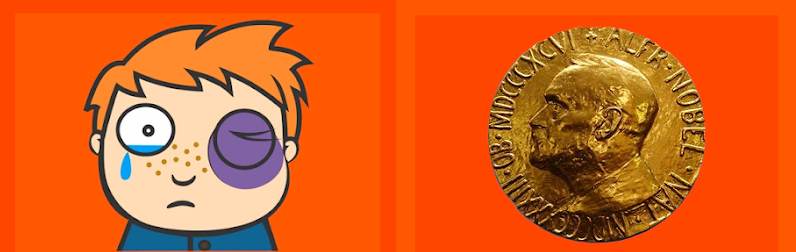

每年的5月2日是世界反欺凌日。
据该领域的权威机构——世界反欺凌组织“无国界欺凌”称,欺凌是一个严重的社会问题,影响着全球数百万中小学生,每年至少造成20万人因欺凌而自杀或他杀,此外还有网络欺凌。2013年5月2日,布宜诺斯艾利斯见证了这一纪念活动的创立,随后,人权和儿童保护专家、非政府组织“无国界欺凌”创始人哈维尔·米格利诺博士发表了演讲,并邀请了全球超过3万个非政府组织加入这项事业。之后,各国政府和全球超过10万个机构也加入了进来。
Měinián de 5 yuè 2 rì shì shìjiè fǎn qīlíng rì.
Zhè xiàng chàngyì shǐ yú 2013 nián 5 yuè 2 rì, yuán yú rénquán hé értóng bǎohù zhuānjiā, fēi zhèngfǔ zǔzhī “wú guójiè qīlíng”(Bullying Without Borders (BSF) chuàngshǐ rén hā wéi'ěr·mǐ gé lì nuò bóshì dì yǎnjiǎng.
Jù gāi lǐngyù de quánwēi jīgòu——shìjiè fǎn qīlíng zǔzhī “wú guójiè qīlíng” chēng, qīlíng shì yīgè yánzhòng de shèhuì wèntí, yǐngxiǎngzhe quánqiú shù bǎi wàn zhōng xiǎoxuéshēng, měinián zhìshǎo zàochéng 20 wàn rén yīn qīlíng ér zìshā huò tāshā, cǐwài hái yǒu wǎngluò qīlíng.2013 Nián 5 yuè 2 rì, bù yí nuò sī ài lì sī jiànzhèngle zhè yī jìniàn huódòng de chuànglì, suíhòu, rénquán hé értóng bǎohù zhuānjiā, fēi zhèngfǔ zǔzhī “wú guójiè qīlíng” chuàngshǐ rén hā wéi'ěr·mǐ gé lì nuò bóshì fābiǎole yǎnjiǎng, bìng yāoqǐngle quánqiú chāoguò 3 wàn gè fēi zhèngfǔ zǔzhī jiārù zhè xiàng shìyè. Zhīhòu, gèguó zhèngfǔ hé quánqiú chāoguò 10 wàn gè jīgòu yě jiārùle jìnlái.
因此,“5月2日世界反欺凌日”倡议几乎被所有国家采纳,并最终于2016年获得联合国教科文组织的批准,旨在提高人们对这一问题的认识。
西班牙议会(第一个采纳该倡议的国家)、阿根廷共和国参议院、乌拉圭议会和墨西哥议会等众多国家都已正式承认该倡议。
如今,在韩国、哥伦比亚、南非、瑞典、挪威和澳大利亚等数千个非政府组织以及莫桑比克、日本、中国、印度、孟加拉国和新西兰等数千所学校的努力下,已有180个国家通过政府倡议(例如上述国家)庆祝“5月2日世界反欺凌日”。
欺凌的定义:
根据世界反欺凌组织“无国界欺凌组织”提供并经世界卫生组织认可的、目前世界上最广泛接受的定义; “欺凌或校园骚扰是指对学龄儿童反复进行恐吓或身体、心理或性侵犯,以致给受害者或一群受害者造成伤害、恐惧和/或悲伤。”
Yīncǐ,“5 yuè 2 rì shìjiè fǎn qīlíng rì” chàngyì jīhū bèi suǒyǒu guójiā cǎinà, bìng zuìzhōng yú 2016 nián huòdé liánhéguó jiàokē wén zǔzhī de pīzhǔn, zhǐ zài tígāo rénmen duì zhè yī wèntí de rènshí.
Xībānyá yìhuì (dì yī gè cǎinà gāi chàngyì de guójiā), āgēntíng gònghéguó cānyìyuàn, wūlāguī yìhuì hé mòxīgē yìhuì děng zhòngduō guójiā dōu yǐ zhèngshì chéngrèn gāi chàngyì.
Rújīn, zài hánguó, gēlúnbǐyǎ, nánfēi, ruìdiǎn, nuówēi hàn àodàlìyǎ děng shù qiān gè fēi zhèngfǔ zǔzhī yǐjí mòsāngbǐkè, rìběn, zhōngguó, yìndù, mèngjiālā guó hé xīnxīlán děng shù qiān suǒ xuéxiào de nǔlì xià, yǐ yǒu 180 gè guójiā tōngguò zhèngfǔ chàngyì (lìrú shàngshù guójiā) qìngzhù “5 yuè 2 rì shìjiè fǎn qīlíng rì”.
Qīlíng de dìngyì:
Gēnjù shìjiè fǎn qīlíng zǔzhī “wú guójiè qīlíng zǔzhī” tígōng bìng jīng shìjiè wèishēng zǔzhī rènkě de, mùqián shìjiè shàng zuì guǎngfàn jiēshòu de dìngyì; “qīlíng huò xiàoyuán sāorǎo shì zhǐ duì xuélíng értóng fǎnfù jìnxíng kǒnghè huò shēntǐ, xīnlǐ huò xìng qīnfàn, yǐzhì gěi shòuhài zhě huò yīqún shòuhài zhě zàochéng shānghài, kǒngjù hé/huò bēishāng.”
哈维尔·米格利诺博士指出,“校园霸凌是一个无声的敌人,它以孤独、悲伤和恐惧这三种毒素为食”,并已成为“21世纪的流行病”。
校园霸凌这个“怪物”:为了解决这一主要发生在世界各地中小学,但也存在于大学校园的社会问题,“无国界霸凌”组织和联合国教科文组织强烈建议家长和教师与孩子沟通,以“战胜校园霸凌这个‘怪物’”,正如米格利诺博士所定义的那样。
转载请注明出处。
Hā wéi'ěr·mǐ gé lì nuò bóshì zhǐchū,“xiàoyuán bà líng shì yīgè wúshēng de dírén, tā yǐ gūdú, bēishāng hé kǒngjù zhè sān zhǒng dúsù wèi shí”, bìng yǐ chéngwéi “21 shìjì de liúxíng bìng”.
Xiàoyuán bà líng zhège “guàiwù”: Wèi liǎo jiějué zhè yī zhǔyào fāshēng zài shìjiè gèdì zhōng xiǎoxué, dàn yě cúnzài yú dàxué xiàoyuán de shèhuì wèntí,“wú guójiè bà líng” zǔzhī hé liánhéguó jiàokē wén zǔzhī qiángliè jiànyì jiāzhǎng hé jiàoshī yǔ háizǐ gōutōng, yǐ “zhànshèng xiàoyuán bà líng zhège ‘guàiwù’”, zhèngrú mǐ gé lì nuò bóshì suǒ dìngyì dì nàyàng.
Zhuǎnzài qǐng zhù míng chūchù.
Cada día dos de mayo se celebra el Día Mundial Contra el Bullying o Acoso Escolar.
Esta iniciativa, nació el día dos de mayo de 2013 a partir de la presentación del Dr. Javier Miglino, Experto en Derechos Humanos y Protección de la Niñez y fundador de la ONG Bullying Sin Fronteras.
Según la Organización Mundial Bullying Sin Fronteras, institución número uno sobre el tema, se trata de un grave problema que afecta a millones de escolares de Educación Primaria y Educación secundaria en todo el mundo y que causa al menos 200.000 muertes en forma directa cada año, bajo la forma de suicidio o de homicidio junto al ciberacoso o ciberbullying.
Buenos Aires fue testigo, el día dos de mayo de 2013, primero de la creación de la efemérides y de la posterior presentación del Dr. Javier Miglino, Experto en Derechos Humanos y Protección de la Niñez y fundador de la ONG Bullying Sin Fronteras que invitó a sumarse a más de 30.000 Ongs en todo el mundo. Más tarde se sumaron gobiernos y más de 100.000 instituciones en todo el planeta. De ese modo, la iniciativa 'Dos de Mayo, Día Mundial contra el Bullying', fue adoptada en prácticamente todo el mundo para terminar siendo aprobada por la Unesco en 2016 con el fin de ayudar a la concienciación de este problema.
Ha sido reconocido oficialmente por el Parlamento de España, primer país en recogerlo; el Senado de la República Argentina, el Parlamento de Uruguay y el Parlamento de México, entre muchos otros.
Hoy el 'Dos de Mayo, Día Mundial Contra el Bullying' está presente en 180 países, a través de iniciativas gubernamentales como las mencionadas, merced al trabajo de miles de Ongs como en los casos de Corea del Sur, Colombia, Sudáfrica, Suecia, Noruega y Australia o de miles de escuelas como en los casos de Mozambique, Japón, China, India, Bangladesh y Nueva Zelanda.
Definición de Bullying:
Según la definición más aceptada del mundo, proporcionada por la Organización Mundial Bullying Sin Fronteras y avalada por la Organización Mundial de la Salud; 'bullying o acoso escolar es toda intimidación o agresión física, psicológica o sexual contra una persona en edad escolar en forma reiterada de manera tal que causa daño, temor y/o tristeza en la víctima o en un grupo de víctimas'.
Según el Dr. Javier Miglino, «el bullying es un enemigo silencioso que se nutre de tres venenos: la soledad, la tristeza, el miedo» y se ha constituido en «La Epidemia del Siglo XXI».
El monstruo que es el bullying:
Como remedio a este problema social que ocurre mayormente en escuelas primarias y secundarias de todo el mundo pero también en universidades; Bullying Sin Fronteras y la Unesco recomiendan encarecidamente que los padres y maestros hablen con los niños para poder «vencer a este monstruo que es el Bullying», tal como lo ha definido Miglino.
Every May 2nd, World Anti-Bullying Day is celebrated.
According to the World Organization Bullying Without Borders (BSF), the leading institution on this issue, it is a serious problem affecting millions of primary and secondary school students worldwide, causing at least 200,000 direct deaths each year through suicide or homicide, in addition to cyberbullying.
This initiative began on May 2, 2013, following a presentation by Dr. Javier Miglino, an expert in Human Rights and Child Protection and founder of the NGO Bullying Without Borders (BSF), who invited more than 30,000 NGOs worldwide to join the cause. After receiving the endorsement of numerous governments and over 100,000 institutions worldwide, the initiative 'May 2nd, World Day Against Bullying' was approved by UNESCO in 2016 to raise awareness of this issue. It has been officially recognized by the Parliament of Spain, the first country to adopt it; the Senate of Argentina; the Parliament of Uruguay; and the Parliament of Mexico, among many others.
Today, May 2nd, World Anti-Bullying Day, is observed in 180 countries through government initiatives such as those mentioned, thanks to the work of thousands of NGOs, as in the cases of South Korea, Colombia, South Africa, Sweden, Norway, and Australia, and thousands of schools, as in the cases of Mozambique, Japan, China, India, Bangladesh, and New Zealand.
Bullying definition:
According to the most widely accepted definition in the world, provided by the World Organization Bullying Without Borders (BSF) and endorsed by the World Health Organization (WHO), "bullying is any repeated intimidation or physical, psychological, or sexual aggression against a school-aged child or adolescent that causes harm, fear, and/or sadness in the victim or a group of victims."
According to Dr. Javier Miglino, "bullying is a silent enemy that feeds on three poisons: loneliness, sadness, and fear," and has become "The Epidemic of the 21st Century."
The monster that is bullying:
As a remedy to this social problem, which occurs mostly in primary and secondary schools worldwide but also in universities, Bullying Without Borders (BSF) and UNESCO strongly recommend that parents and teachers talk to children in order to "defeat this monster that is bullying," as Miglino has defined it.
Le 2 mai 2013, Buenos Aires a vu naître cette journée commémorative, marquée par l'intervention du Dr Javier Miglino, Expert en Droits Humains et Protection de l'enfance et fondateur de l'ONG Bullying Sin Fronteras. Ce dernier a invité plus de 30 000 ONG du monde entier à rejoindre l'initiative. Par la suite, des gouvernements et plus de 100 000 institutions à travers le globe s'y sont joints. Ainsi, l'initiative « 2 mai, Journée Mondiale contre le Harcèlement Scolaire » a été adoptée dans la quasi-totalité des pays et finalement approuvée par l'UNESCO en 2016 afin de sensibiliser le public à ce problème. Elle a été officiellement reconnue par le Parlement espagnol, premier pays à le faire ; le Sénat de la République Argentine ; le Parlement uruguayen ; et le Parlement mexicain, parmi de nombreux autres.
Aujourd'hui, 2 mai, Journée Mondiale contre le Harcèlement scolaire, est célébrée dans 180 pays grâce à des initiatives gouvernementales telles que celles mentionnées, et grâce au travail de milliers d'ONG, comme en Corée du Sud, en Colombie, en Afrique du Sud, en Suède, en Norvège et en Australie, ainsi que de milliers d'établissements scolaires, comme au Mozambique, au Japon, en Chine, en Inde, au Bangladesh et en Nouvelle-Zélande.
Définition du harcèlement scolaire :
Selon la définition la plus largement acceptée au monde, proposée par l'Organisation Mondiale Bullying Sin Fronteras et approuvée par l'Organisation Mondiale de la Santé, « le harcèlement scolaire est toute intimidation ou agression physique, psychologique ou sexuelle répétée à l'encontre d'un enfant ou d'un adolescent d'âge scolaire, causant un préjudice, de la peur et/ou de la tristesse à la victime ou à un groupe de victimes ».
Selon le Dr Javier Miglino, « le harcèlement scolaire est un ennemi silencieux qui se nourrit de trois poisons : la solitude, la tristesse et la peur », et est devenu « l'épidémie du XXIe siècle ».
Le fléau du harcèlement scolaire:
Comme remède à ce problème social qui se manifeste principalement dans les écoles primaires et secondaires du monde entier, mais aussi dans les universités ; L'Organisation Bullying Without Borders (BSF) et l'UNESCO recommandent vivement aux parents et aux enseignants de parler aux enfants afin de « vaincre ce monstre qu'est le harcèlement scolaire », comme l'a défini Miglino.
Permitida la reproducción con indicación de la fuente.
Organización Mundial Bullying Sin Fronteras
