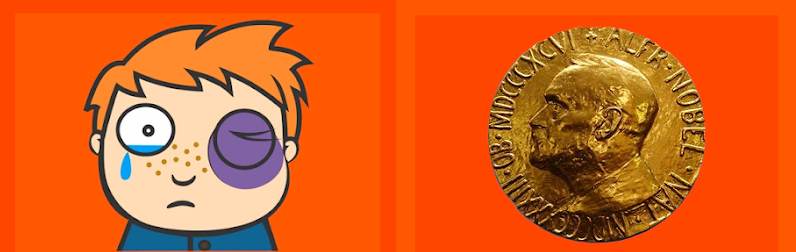


Cada día dos de mayo se celebra el Día Mundial Contra el Bullying o Acoso Escolar.
Every May 2nd, World Anti-Bullying Day is celebrated.
This initiative began on May 2, 2013, following a presentation by Dr. Javier Miglino, an expert in Human Rights and Child Protection and founder of the NGO Bullying Without Borders

Según la Organización Mundial Bullying Sin Fronteras, institución número uno sobre el tema, se trata de un grave problema que afecta a millones de escolares de Educación Primaria y Educación secundaria en todo el mundo y que causa al menos 200.000 muertes en forma directa cada año, bajo la forma de suicidio o de homicidio junto al ciberacoso o ciberbullying.
Buenos Aires fue testigo, el día dos de mayo de 2013, primero de la creación de la efemérides y de la posterior presentación del Dr. Javier Miglino, Experto en Derechos Humanos y Protección de la Niñez y fundador de la ONG Bullying Sin Fronteras que invitó a sumarse a más de 30.000 Ongs en todo el mundo. Más tarde se sumaron gobiernos y más de 100.000 instituciones en todo el planeta. De ese modo, la iniciativa 'Dos de Mayo, Día Mundial contra el Bullying', fue adoptada en prácticamente todo el mundo para terminar siendo aprobada por la Unesco en 2016 con el fin de ayudar a la concienciación de este problema.
Ha sido reconocido oficialmente por el Parlamento de España, primer país en recogerlo; el Senado de la República Argentina, el Parlamento de Uruguay y el Parlamento de México, entre muchos otros.

Hoy el 'Dos de Mayo, Día Mundial Contra el Bullying' está presente en 180 países, a través de iniciativas gubernamentales como las mencionadas, merced al trabajo de miles de Ongs como en los casos de Corea del Sur, Colombia, Sudáfrica, Suecia, Noruega y Australia o de miles de escuelas como en los casos de Mozambique, Japón, China, India, Bangladesh y Nueva Zelanda.
Definición de Bullying:
Según la definición más aceptada del mundo, proporcionada por la Organización Mundial Bullying Sin Fronteras y avalada por la Organización Mundial de la Salud; 'bullying o acoso escolar es toda intimidación o agresión física, psicológica o sexual contra una persona en edad escolar en forma reiterada de manera tal que causa daño, temor y/o tristeza en la víctima o en un grupo de víctimas'.
Según el Dr. Javier Miglino, «el bullying es un enemigo silencioso que se nutre de tres venenos: la soledad, la tristeza, el miedo» y se ha constituido en «La Epidemia del Siglo XXI».

El monstruo que es el bullying:
Como remedio a este problema social que ocurre mayormente en escuelas primarias y secundarias de todo el mundo pero también en universidades; Bullying Sin Fronteras y la Unesco recomiendan encarecidamente que los padres y maestros hablen con los niños para poder «vencer a este monstruo que es el Bullying», tal como lo ha definido Miglino.
Every May 2nd, World Anti-Bullying Day is celebrated.
According to the World Organization Bullying Without Borders, the leading institution on this issue, it is a serious problem affecting millions of primary and secondary school students worldwide, causing at least 200,000 direct deaths each year through suicide or homicide, in addition to cyberbullying.
This initiative began on May 2, 2013, following a presentation by Dr. Javier Miglino, an expert in Human Rights and Child Protection and founder of the NGO Bullying Without Borders, who invited more than 30,000 NGOs worldwide to join the cause. After receiving the endorsement of numerous governments and over 100,000 institutions worldwide, the initiative 'May 2nd, World Day Against Bullying' was approved by UNESCO in 2016 to raise awareness of this issue. It has been officially recognized by the Parliament of Spain, the first country to adopt it; the Senate of Argentina; the Parliament of Uruguay; and the Parliament of Mexico, among many others.
Today, May 2nd, World Anti-Bullying Day, is observed in 180 countries through government initiatives such as those mentioned, thanks to the work of thousands of NGOs, as in the cases of South Korea, Colombia, South Africa, Sweden, Norway, and Australia, and thousands of schools, as in the cases of Mozambique, Japan, China, India, Bangladesh, and New Zealand.
Bullying definition:
According to the most widely accepted definition in the world, provided by the World Organization Bullying Without Borders and endorsed by the World Health Organization, "bullying is any repeated intimidation or physical, psychological, or sexual aggression against a school-aged child or adolescent that causes harm, fear, and/or sadness in the victim or a group of victims."
According to Dr. Javier Miglino, "bullying is a silent enemy that feeds on three poisons: loneliness, sadness, and fear," and has become "The Epidemic of the 21st Century."
The monster that is bullying:
As a remedy to this social problem, which occurs mostly in primary and secondary schools worldwide but also in universities, Bullying Without Borders and UNESCO strongly recommend that parents and teachers talk to children in order to "defeat this monster that is bullying," as Miglino has defined it.

Dr. Javier Miglino
Le 2 mai 2013, Buenos Aires a vu naître cette journée commémorative, marquée par l'intervention du Dr Javier Miglino, Expert en Droits Humains et Protection de l'enfance et fondateur de l'ONG Bullying Sin Fronteras. Ce dernier a invité plus de 30 000 ONG du monde entier à rejoindre l'initiative. Par la suite, des gouvernements et plus de 100 000 institutions à travers le globe s'y sont joints. Ainsi, l'initiative « 2 mai, Journée Mondiale contre le Harcèlement Scolaire » a été adoptée dans la quasi-totalité des pays et finalement approuvée par l'UNESCO en 2016 afin de sensibiliser le public à ce problème. Elle a été officiellement reconnue par le Parlement espagnol, premier pays à le faire ; le Sénat de la République Argentine ; le Parlement uruguayen ; et le Parlement mexicain, parmi de nombreux autres.
Aujourd'hui, 2 mai, Journée Mondiale contre le Harcèlement scolaire, est célébrée dans 180 pays grâce à des initiatives gouvernementales telles que celles mentionnées, et grâce au travail de milliers d'ONG, comme en Corée du Sud, en Colombie, en Afrique du Sud, en Suède, en Norvège et en Australie, ainsi que de milliers d'établissements scolaires, comme au Mozambique, au Japon, en Chine, en Inde, au Bangladesh et en Nouvelle-Zélande.
Définition du harcèlement scolaire : Selon la définition la plus largement acceptée au monde, proposée par l'Organisation Mondiale Bullying Sin Fronteras et approuvée par l'Organisation Mondiale de la Santé, « le harcèlement scolaire est toute intimidation ou agression physique, psychologique ou sexuelle répétée à l'encontre d'un enfant ou d'un adolescent d'âge scolaire, causant un préjudice, de la peur et/ou de la tristesse à la victime ou à un groupe de victimes ».
Selon le Dr Javier Miglino, « le harcèlement scolaire est un ennemi silencieux qui se nourrit de trois poisons : la solitude, la tristesse et la peur », et est devenu « l'épidémie du XXIe siècle ».
Le fléau du harcèlement scolaire:
Comme remède à ce problème social qui se manifeste principalement dans les écoles primaires et secondaires du monde entier, mais aussi dans les universités ; L'Organisation Bullying Without Borders (BSF) et l'UNESCO recommandent vivement aux parents et aux enseignants de parler aux enfants afin de « vaincre ce monstre qu'est le harcèlement scolaire », comme l'a défini Miglino.

Jedes Jahr am 2. Mai wird der Welttag gegen Mobbing begangen.
Diese Initiative wurde am 2. Mai 2013 in Buenos Aires ins Leben gerufen, im Anschluss an einen Vortrag von Dr. Javier Miglino, Experte für Menschenrechte und Kinderschutz und Gründer der NGO „Bullying Without Borders (BSF)“.
Laut der Weltorganisation „Bullying Without Borders“ (BSF), der führenden Institution zu diesem Thema, handelt es sich um ein gravierendes Problem, das Millionen von Grund- und Sekundarschülern weltweit betrifft und jährlich mindestens 200.000 direkte Todesfälle durch Suizid oder Mord, zusätzlich zu Cybermobbing, verursacht. Am 2. Mai 2013 erlebte Buenos Aires die Entstehung dieses Gedenktages und die anschließende Präsentation von Dr. Javier Miglino, Experte für Menschenrechte und Kinderschutz und Gründer der NGO „Bullying Without Borders“ (BSF), der über 30.000 NGOs weltweit zur Teilnahme an der Initiative einlud. Später schlossen sich auch Regierungen und mehr als 100.000 Institutionen weltweit an.
So wurde die Initiative „2. Mai, Welttag gegen Mobbing“ in nahezu allen Ländern übernommen und 2016 schließlich von der UNESCO anerkannt, um das Bewusstsein für dieses Problem zu schärfen.
Sie wurde unter anderem vom spanischen Parlament, dem ersten Land, das sie einführte, sowie vom Senat der Republik Argentinien, dem Parlament von Uruguay und dem Parlament von Mexiko offiziell anerkannt.
Heute ist der „2. Mai, Welttag gegen Mobbing“ dank staatlicher Initiativen wie den genannten in 180 Ländern präsent. Dies ist dem Engagement Tausender Nichtregierungsorganisationen (NGOs) zu verdanken, beispielsweise in Südkorea, Kolumbien, Südafrika, Schweden, Norwegen und Australien, sowie Tausender Schulen, beispielsweise in Mosambik, Japan, China, Indien, Bangladesch und Neuseeland.
Definition von Mobbing: Gemäß der weltweit am weitesten verbreiteten Definition der Weltorganisation „Mobbing ohne Grenzen“, die von der Weltgesundheitsorganisation (WHO) unterstützt wird; „Unter Mobbing oder Schulbelästigung versteht man jede Einschüchterung oder physische, psychische oder sexuelle Aggression gegen eine Person im Schulalter, die wiederholt auftritt und bei dem Opfer oder einer Gruppe von Opfern Schaden, Angst und/oder Traurigkeit verursacht.“
Laut Dr. Javier Miglino ist Mobbing ein stiller Feind, der sich von drei Giften nährt: Einsamkeit, Traurigkeit und Angst, und hat sich zur „Epidemie des 21. Jahrhunderts“ entwickelt.
Das Monster Mobbing: Ein Lösungsansatz für dieses soziale Problem, das weltweit vor allem an Grund- und weiterführenden Schulen, aber auch an Universitäten auftritt;
Bullying Without Borders (BSF) und die UNESCO empfehlen Eltern und Lehrern dringend, mit Kindern zu sprechen, um „dieses Monster namens Mobbing zu besiegen“, wie Miglino es definiert hat.
Reproduction permitted with attribution.
World Organization Bullying Without Borders
Permitida la reproducción con indicación de la fuente.
Organización Mundial Bullying Sin Fronteras
