
GINEBRA. Mayo 3. (Consorcio Internacional de Periodistas JMH).
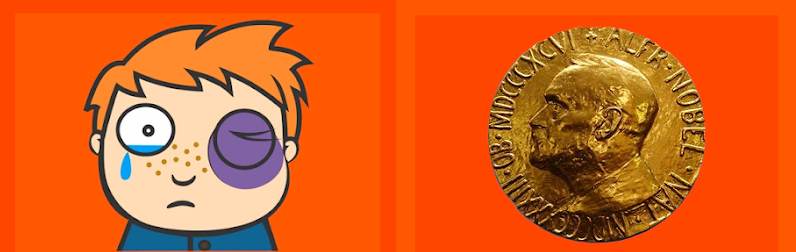
El 3 de mayo de 1991, se aprobó la Declaración de Windhoek, que dio origen al Día Mundial de la Libertad de Prensa, con aprobación de la UNESCO. Un día después y con la Declaración Miglino Helfenstein, nacía el 'Día Mundial contra el Bullying', el dos de mayo, aprobado por UNESCO en 2016.
On May 3, 1991, the Windhoek Declaration was adopted, establishing World Press Freedom Day, with the approval of UNESCO. One day later, with the Miglino-Helfenstein Declaration, World Anti-Bullying Day was established on May 2, approved by UNESCO in 2016.
Mientras el Día Mundial de la Libertad de Prensa (3 de mayo), se aprobó luego de varios años de discusiones y vicisitudes de todo tipo, el Día Mundial contra el Bullying (2 de mayo), se aprobó en solo 40 minutos.
La libertad de expresión es un derecho fundamental, según establece el artículo 19 de la
Declaración Universal de Derechos Humanos:
«Todo individuo tiene derecho a la libertad de opinión y de expresión; este derecho incluye el de no ser molestado a causa de sus opiniones, el de investigar y recibir informaciones y opiniones, y el de difundirlas, sin limitación de fronteras, por cualquier medio de expresión».
"El Día Mundial de la Libertad de Prensa honra el ejercicio del periodismo libre, sin trabas ni presiones. De ese modo garantiza uno de los pilares del sistema republicano de gobierno. El acceso a la información pública, la posibilidad de indagar, preguntar y difundir hechos de interés público, así como el respeto por el trabajo de los periodistas, forman parte de estándares esenciales para asegurar la transparencia institucional y la rendición de cuentas de todos los países en democracia. Las pseudo democracias que matan periodistas y las dictaduras que persiguen y matan son un ejemplo de lo dificil que resulta ser periodista en el Siglo XXI. Por eso, resulta menester ser fuerte y seguir adelante. Por los periodistas asesinados en Gaza, en México, en Rusia y en tantas partes del mundo que dan la vida por informar".
Dr. Javier Miglino Helfenstein.
Director del Consorcio Internacional de Periodistas JMH
Permitida la reproducción con indicación de la fuente.
Consorcio Internacional de Periodistas JMH
GENEVA, May 3 (JMH International Consortium of Journalists).
On May 3, 1991, the Windhoek Declaration was adopted, establishing World Press Freedom Day, with the approval of UNESCO. One day later, with the Miglino-Helfenstein Declaration, World Anti-Bullying Day was established on May 2, approved by UNESCO in 2016.
While World Press Freedom Day (May 3) was adopted after several years of discussions and various challenges, World Anti-Bullying Day (May 2) was approved in just 40 minutes.
Freedom of expression is a fundamental right, as established in Article 19 of the Universal Declaration of Human Rights:
“Everyone has the right to freedom of opinion and expression; this right includes freedom to hold opinions without interference and to seek, receive and impart information and ideas through any media and regardless of frontiers.”
"World Press Freedom Day honors the practice of free journalism, without hindrance or pressure. In doing so, it guarantees one of the pillars of the republican system of government. Access to public information, the ability to investigate, question, and disseminate facts of public interest, as well as respect for the work of journalists, are essential standards for ensuring institutional transparency and accountability in all democratic countries. Pseudo-democracies that kill journalists and dictatorships that persecute and kill are examples of how difficult it is to be a journalist in the 21st century. That is why it is necessary to be strong and persevere. For the journalists murdered in Gaza, in Mexico, in Russia, and in so many other parts of the world who give their lives to inform."
Dr. Javier Miglino Helfenstein
Director of the International Consortium of Journalists JMH
Reproduction permitted with attribution.
International Consortium of Journalists JMH
